
Pests as a Food Source
Food Insecurity in Aotearoa
Few things influence our wellbeing as much as good food. It is the centre point of our celebrations. It is integral to many cultures, as sharing kai is part of the human bonding process - welcoming strangers, finding common ground, and sitting down to talk. It grows our children into strong, steady characters who can focus through today’s unprecedented extremes of stimulation. Food ranks at the top of Maslo’s hierarchy of needs, above everything besides our breath, water, and shelter. A lot of life is about food.
Our last thought piece explored the growing issue of food security. Despite the vast amounts we export, consistent access to good food is likely to be a challenge for 18% of children in Aotearoa. In this article, we move toward the surprisingly strong link between food and pest management.
Rising Pest Populations
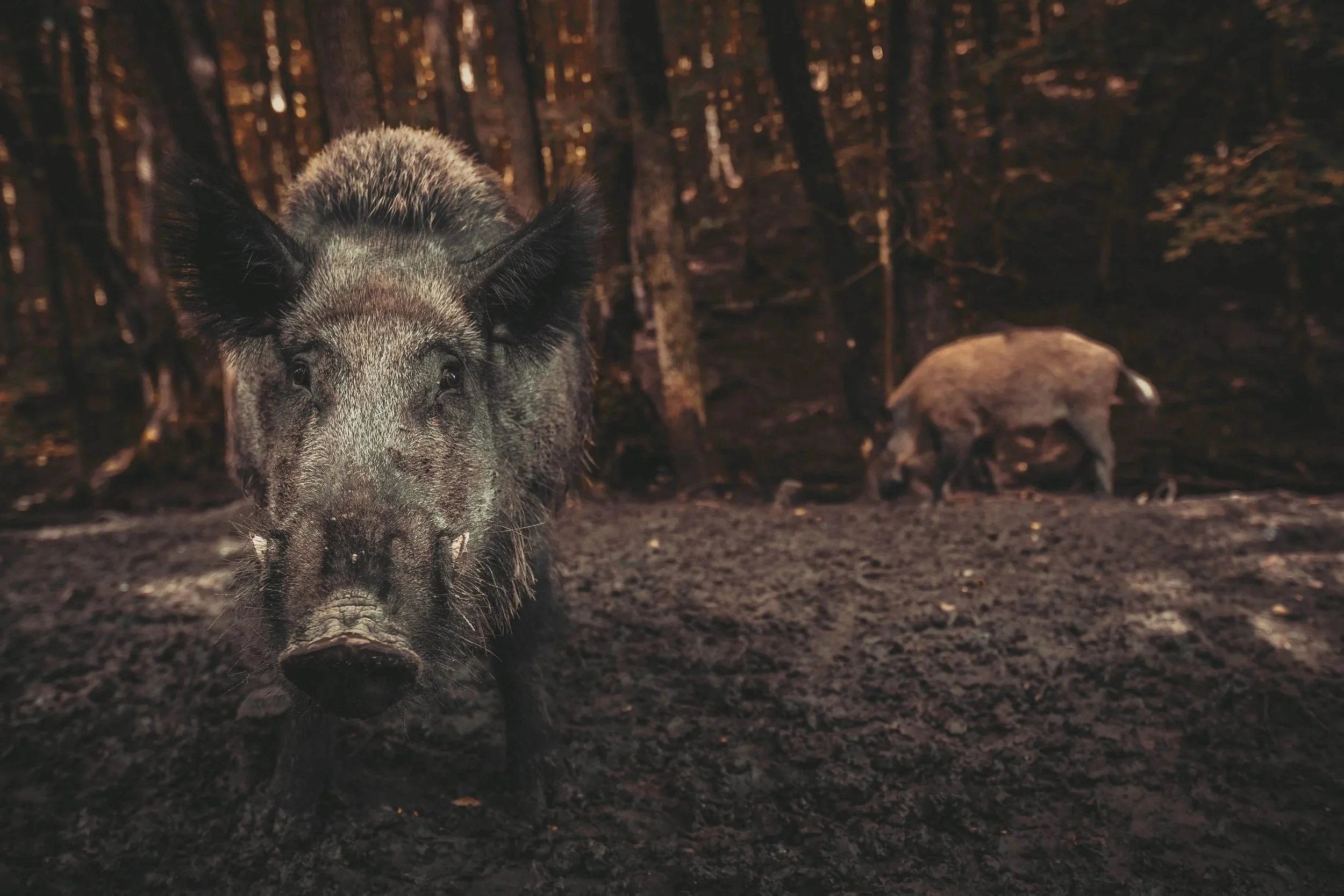
Whirika is heavily involved in a wide range of pest management activities, including the Halo Project, Predator Free Dunedin, evaluating the potential of micro-abattoirs for pest animals, and community-based pest management systems and strategies. Some of this work involved harvesting pests as a food source, sometimes as a commercial activity, other times as a voluntary activity to support those in need in the community.
Ballooning populations of pest animals are a growing concern for many in the rural sector, including farmers, foresters, the Department of Conservation (DOC), and the Ministry for Primary Industries (MPI). Notably, feral deer issues are increasingly common throughout the country. Feral pigs, rabbits and geese are also a worsening problem in parts of Otago.
Pest Management as a Hidden Food Source
Pest management can generate a significant amount of food. Venison from deer and pork from feral pigs are the primary sources, as many hunters will know. Feral goats and smaller animals are popular too, especially where their numbers are high and they can be harvested with little effort. While it’s a hunter’s objective to fill the pot, this is not usually the case in pest management, where the objective is to reduce pest abundance and animals are often left where they are culled.
Whirika is exploring ways to remedy this.
Our work modelling the economic feasibility of local micro abattoirs to process pest animals from nearby hills for local restaurants reveals some key drivers of success. At the top of the list on the supply side is carcass size. Red deer are particularly useful as a food source because they are big – a lot of meat can be efficiently harvested from a single animal. Also high on that list is continuity of supply. Likewise, safe easy access to land for hunting is critical. On the distribution side, we see that some cuts of meat have a substantially higher per kilo value. However, these make up only a part of the carcass, so the revenue generated by lower value cuts and mince are critical for cost-effectiveness. This means that while donating mince to low-income food outlets like food banks is a great idea, it’s tough to make it stack up economically for a small local abattoir - full carcass utilisation is required.
Local Models in Action
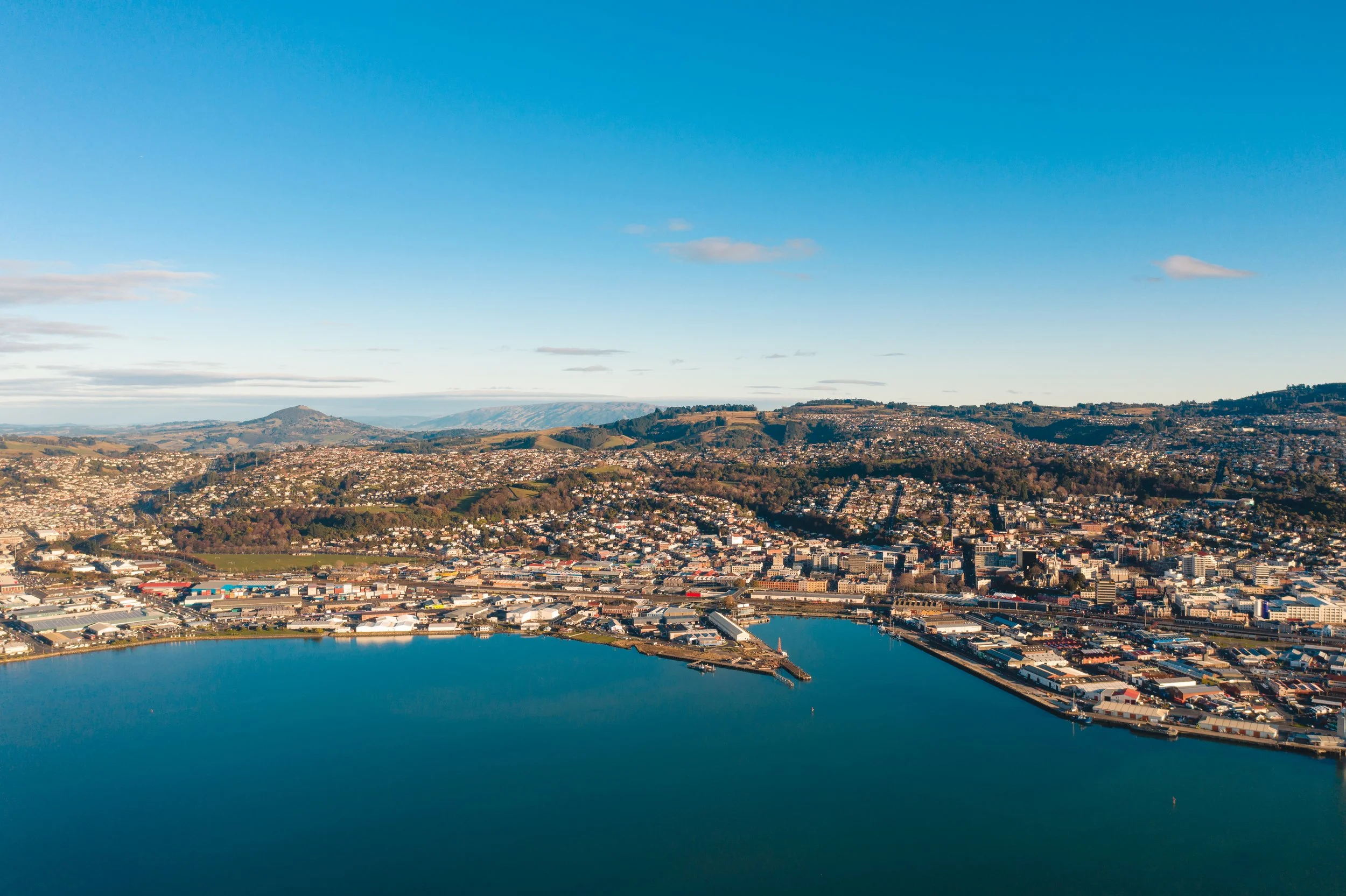
Targeted external support could help complete the system, creating a circular model that delivers both pest management and food outcomes. In doing so, it could also support training pathways for young people in hunting and butchery—skills that are increasingly scarce nationwide. We are currently exploring funding options to help turn this approach from concept into reality.
In an unrelated project, Whirika recently developed a Dunedin based voluntary system to get deer from commercial pest control operations, recreational hunters, and trophy hunting businesses into local food banks. It’s modelled on Hunters For Hope in Canterbury who deliver about a tonne of mince every month to hungry families. Hunters For Hope have been a great help as we’ve gotten set up.
We focus sharply on several points in our voluntary system to ensure it is delivering the goods both literally and figuratively. Exceptional levels of hygiene and attention to meat quality during both processing and storage are essential. A clear supply chain and good relationships within it are also important to have everything run smoothly. With these things in place, regular deliveries of this super healthy, nutritious source of protein to Dunedin’s kids in need are well underway.
As our voluntary venison system took shape, we connected with Common Good Hunters, a group that recently established a similar service in Dunedin. We’re now working together for greater efficiency and simplicity. Together, we have all the main low-income food outlets covered and in some cases we are the main supplier of meat to those outlets.
The Importance of Getting this Right
The media suggests local models of hunting deer for foodbanks are increasingly common. Enthusiastic groups and individuals are motivated by the impacts of deer on their farms and protecting biodiversity, a love of hunting, and the important benefits this food brings to their local community.
Whirika is in full support of these efforts and we also applaud the efforts of MPI in creating the clear and simple regulatory advice that has enabled these local models to take off. The social connection this work provides is hugely important for Whirika. There is a deep and very special sense of achievement in delivering food to families who need it. These deliveries join our biodiversity and habitat focussed work, as well as our work in energy, carbon, and waste, with the people in need who are such a critical part of the wider environment that we all share. Their faces and smiles go alongside the thriving native birds, flourishing native bush, clean water, warm homes, and full pukkus that we all aspire to.
There’s another piece to this – the cost of energy. We’ll explore it sometime in the near future.