
Technology, Trust and Taoka Species: Activating Halo’s FTP Network
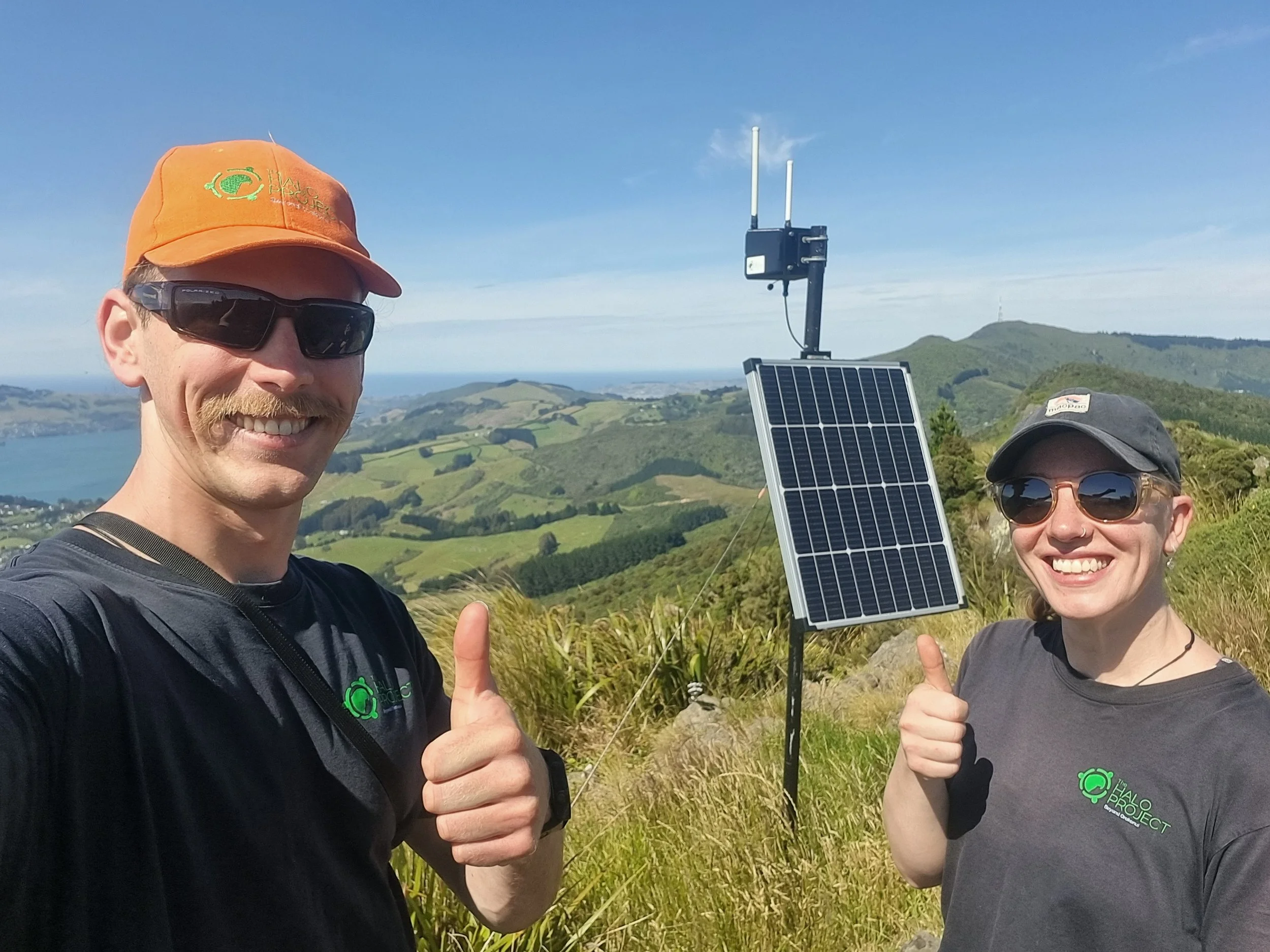
In predator elimination, new technology only succeeds when people trust it. In the rugged hillsides north of Dunedin, where kākā now share the landscape with trapping infrastructure, proving that balance matters as much as the hardware itself.
In December 2025, The Halo Project reached a major milestone with the activation of its FTP smart trap network across the Kāpuka taumāhaka / Mt Cargill and West Harbour zone. As a long-term delivery partner of Predator Free Dunedin, The Halo Project has led the possum elimination vision for this area. The new smart traps (FTP) use artificial intelligence to identify animals, so they only activate when a possum or rat is detected. This added intelligence significantly reduces risk to non- target species, particularly the curious kākā, while enabling effective work in steep and remote terrain.
Whirika Consulting played a central role in supporting this transition, with Managing Director Rhys Millar providing strategic leadership to both The Halo Project and Predator Free Dunedin. Working alongside Landscape Connections Trust and Predator Free Dunedin, Whirika’s focus was on aligning technological performance with ecological risk management, building confidence that innovation was being deployed responsibly as well as effectively.
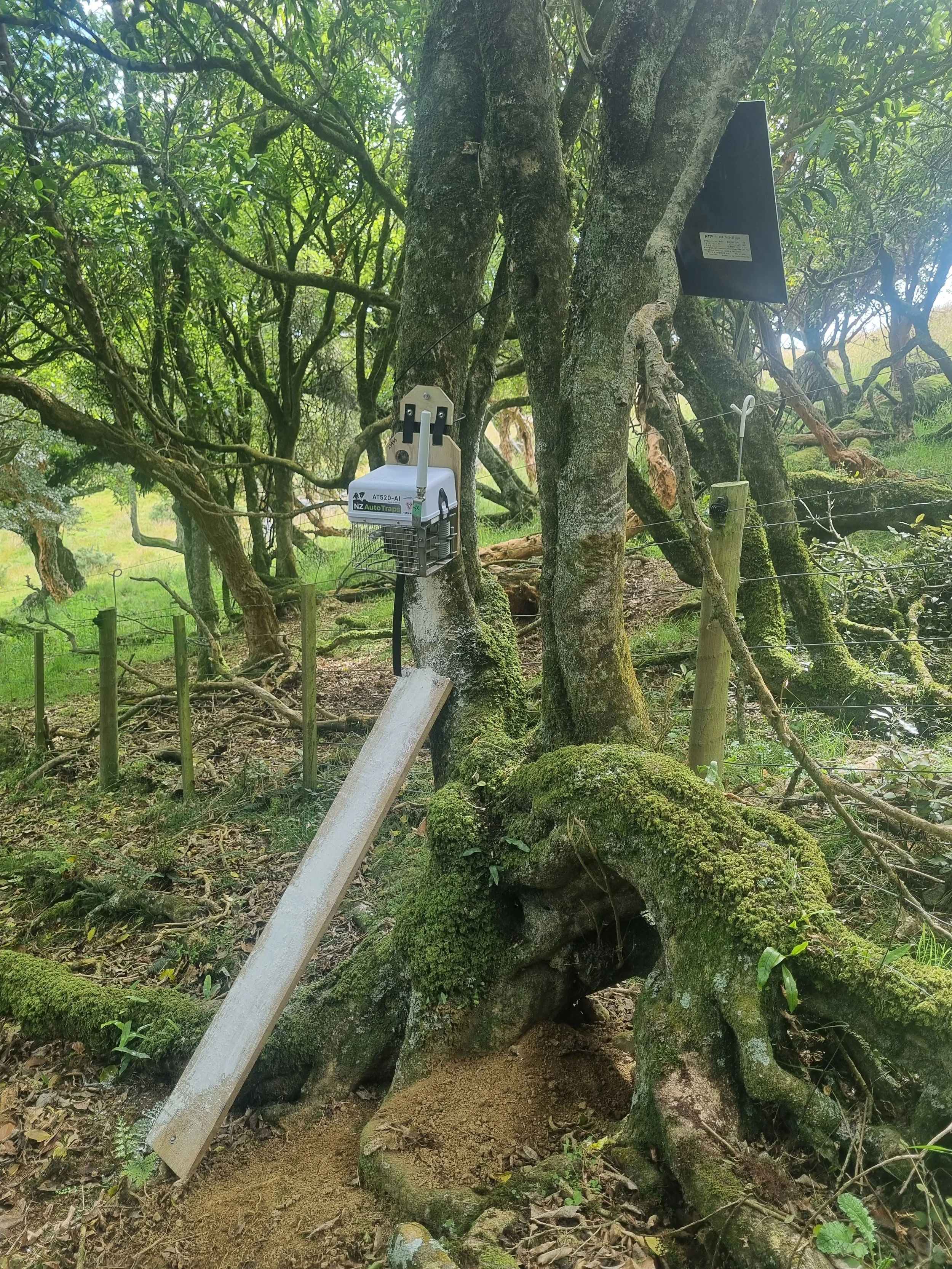
Although the smart traps had been physically installed for some time, they were deliberately kept switched off while trust was built with mana whenua and key stakeholders. Engagement with Kāti Huirapa Rūnaka ki Puketeraki, Orokonui Ecosanctuary, and the Department of Conservation was treated as essential project work — not just a box-ticking exercise — reflecting genuine shared concern for kākā and other taonga species as they spread into nearby forests and urban areas.
To support this process, the Halo Project commissioned Whirika to prepare a detailed consultation report that independently documented the long-term investment in testing and risk reduction underpinning the smart trap rollout. Central to this was evidence from more than 1,700 recorded interactions between kākā and FTP enabled traps, none of which caused the trap to arm itself (required for a trap to kill an animal). This evidence was crucial in building confidence among stakeholders and getting agreement to switch the network on.
The smart traps upgrade standard AT220 traps with solar power, AI cameras, and a wireless network that allows near real-time monitoring. By only arming when the AI is confident a target predator is present, the system adds a built-in safety layer while keeping operations efficient across difficult terrain.
As one of the earliest landscape scale deployments of AI enabled traps in Aotearoa, this work is generating valuable insights for future Predator Free projects, demonstrating how strong project leadership, independent technical assurance and advanced technology can work together to deliver outcomes that are technically sound, ecologically responsible and socially robust.