
There Is No ‘Away’: Why carbon, waste and living systems are one problem
For decades, we have treated carbon, waste and biodiversity as separate environmental issues. Our organisations, reporting frameworks, and policy systems have often done the same.
But in practice, they are deeply connected. The flows that carry carbon through a landscape also carry water, nutrients, and the conditions for life. Waste is not just a disposal problem; it is a systems design problem that affects the ecosystems we are trying to restore.
This is not just a philosophical point. It has practical consequences for how environmental work is planned, funded and delivered.
The shared flaw in how we think about the environment
A common assumption runs through our economic and land management systems: that things can go ‘away’. We extract, emit and discard, then assume the world will absorb the consequences. Landfill is the clearest expression of this logic, but drained wetlands, monoculture plantings and agricultural runoff reflect the same mindset.
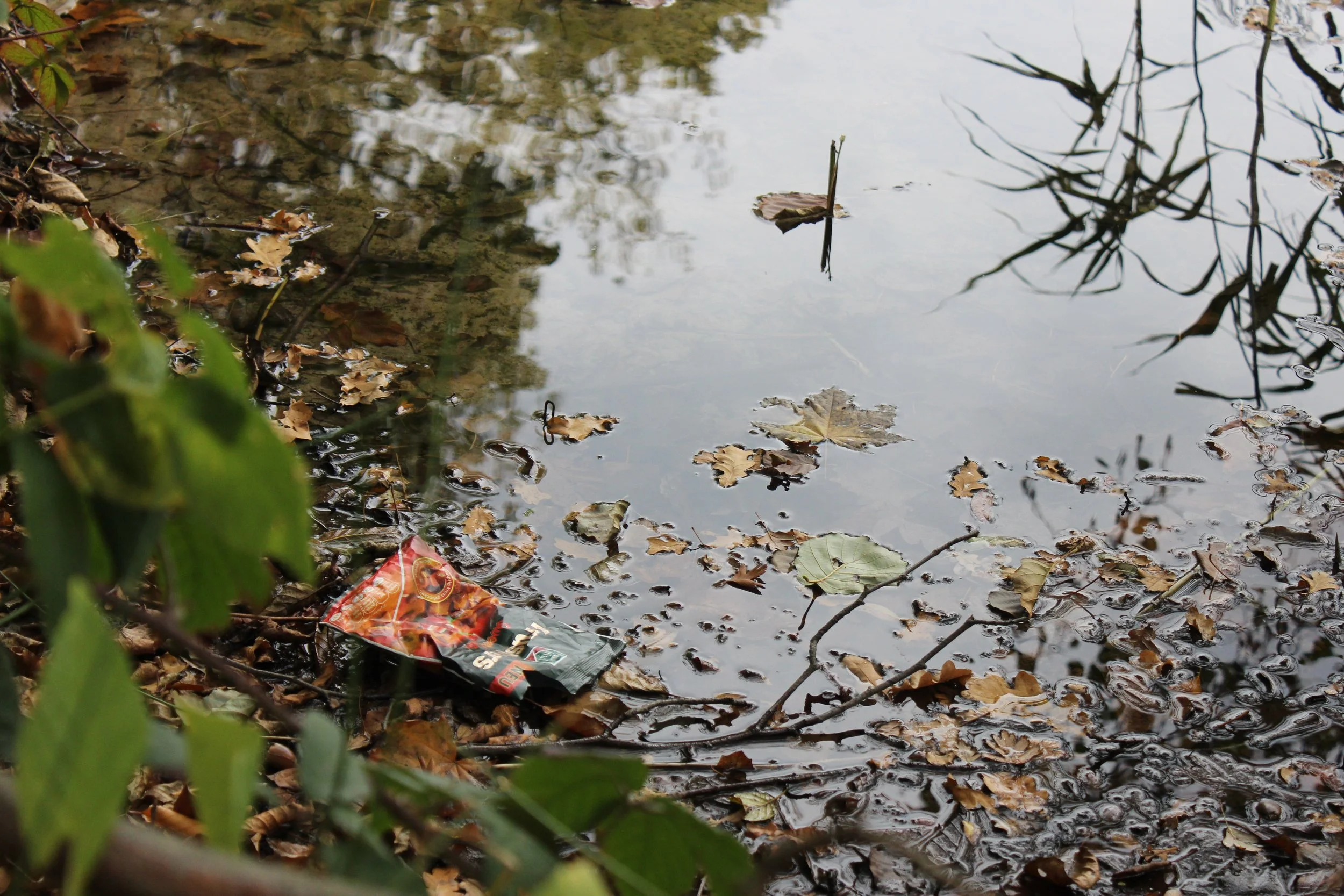
This is what links waste, carbon and biodiversity work: all three deal with the downstream effects of systems designed as if the atmosphere, soils and waterways were limitless sinks. Greenhouse gases accumulate because we built energy systems around that assumption. Ecosystems degrade because land use systems often do the same.
Storms that tear open old coastal landfills and wash decades of ‘disposed’ material into rivers and estuaries are a sharp reminder that nothing truly goes away. Plastics buried in the ground become plastics in the water. Carbon in the atmosphere changes the rainfall that shapes the land. These are not separate events, but different expressions of the same system.
Two disciplines, one system
One useful way to understand this is through flows. Where does energy come from, and where does it go? Where do materials enter a system, and what happens when they leave it? These questions sit behind carbon accounting, waste reduction and circular economy work, but they also sit behind ecological restoration.
Restoration ecology asks what has been lost from a place, what conditions allowed it to function, and what it would take to restore them. It is also a discipline of flows: water through a catchment, nutrients through soil, species through habitat.
The framework is the same. A well-functioning wetland does not just support biodiversity; it also stores carbon, filters nutrients, moderates flood peaks and supports healthy food webs. A closed-loop organic waste system does not just divert material from landfill; it can cut methane emissions and, when compost is returned to land, rebuild soil carbon and microbial life.
What this looks like in practice
This integration is already visible in some of the most interesting environmental work happening in Aotearoa.
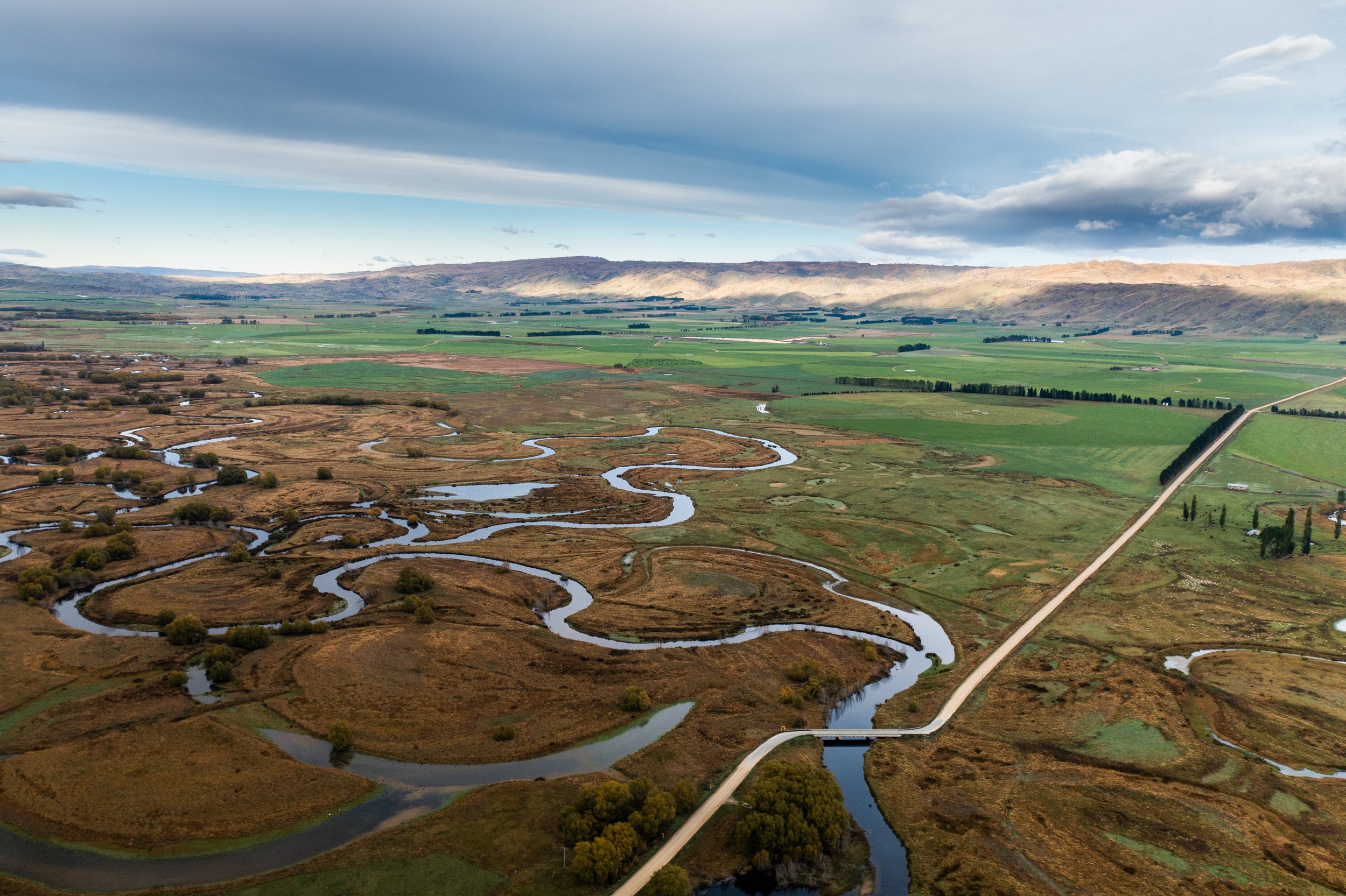
At a regional scale, the health of an estuary reflects every decision made in the catchment above it: what is grown, how land is managed, and what enters waterways. Restoring it means working upstream, both literally and in planning terms.
At a city scale, collecting food scraps and garden waste, composting them, and returning that material to local soils can reduce landfill methane, improve soil health, and support urban greening. That, in turn, can improve stormwater management.
At a landscape scale, a restored river corridor can be a flood management system, a carbon sink, a water quality filter, and a pathway for native species at the same time. Treating it as only one of those things tends to underserve all of them.
Taken out of isolation
When carbon, waste, and ecology are treated as separate workstreams, things fall through the cracks.
A farm tackling emissions, water quality and native habitat is not doing three separate jobs, but it does need those disciplines to work together. A city developing an organic waste strategy and an urban greening strategy is approaching the same system from two directions. An infrastructure project managing emissions reporting and biodiversity offsets is still dealing with one set of ecological impacts, not two unrelated compliance exercises. When these conversations happen together, decisions are usually more coherent and outcomes improve.
A wider frame
This systems thinking is not new. Kaitiakitanga reflects an intergenerational responsibility to care for land and waters, and to remain accountable for what we put into the world.
In practical terms, the message is simple: we cannot address carbon without thinking about land, we cannot restore land without thinking about what flows through it, and we cannot do either well without considering where materials and impacts end up.
That is the thinking that connects our work across energy, carbon, waste, biodiversity and restoration. Coordination is not a ‘nice to have’; it is what turns good intentions into meaningful progress.