
Toitū Te Hakapupu / Pleasant River Restoration Project
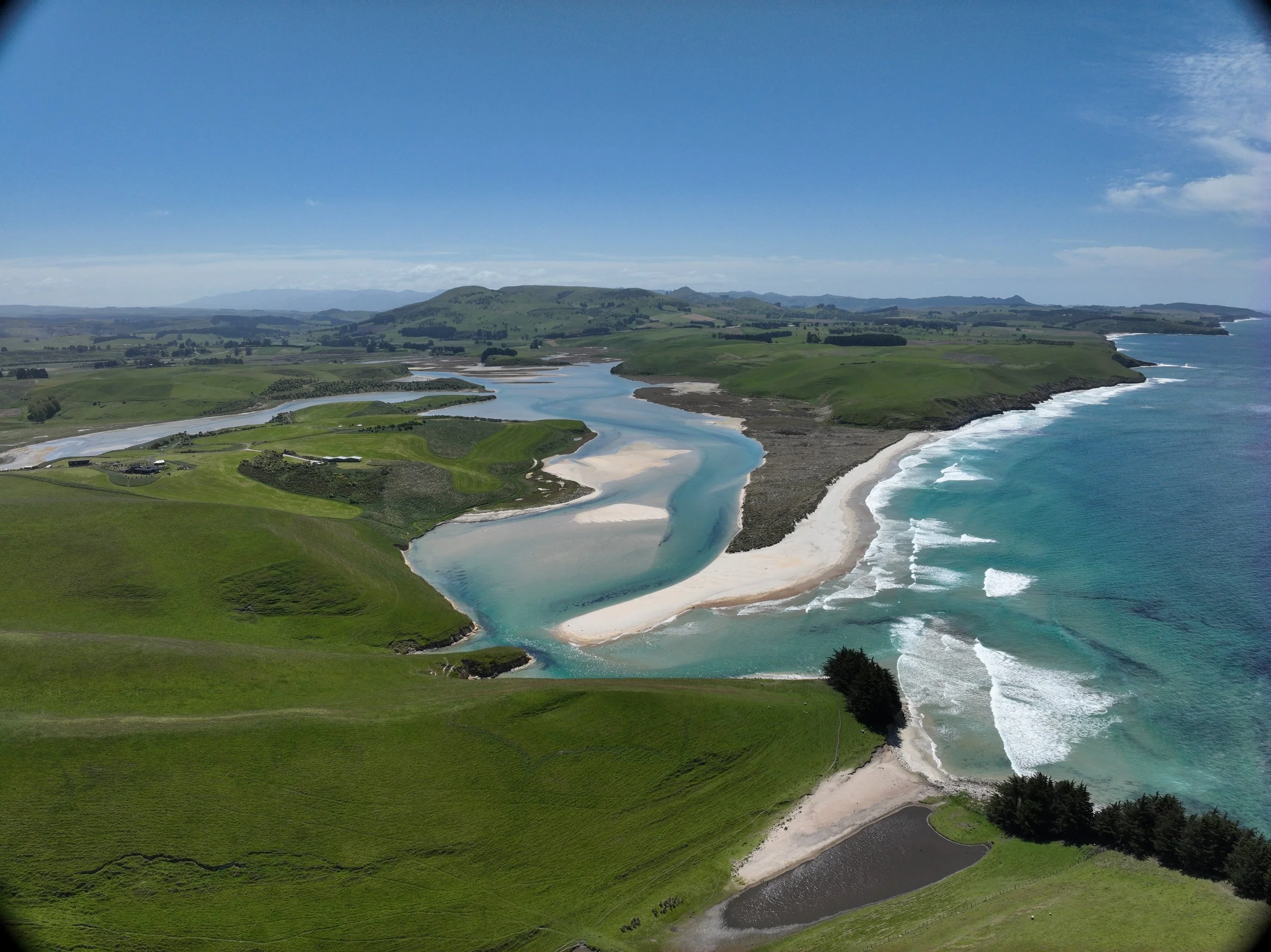
The Toitū Te Hakapupu / Pleasant River Restoration Project (2023–2025) was led by Otago Regional Council in partnership with Kāti Huirapa Rūnaka ki Puketeraki and the local community. It aimed to restore ecological values; enhance cultural and community connections; and develop lasting responses to soil erosion and sedimentation in the catchment.
Funded through the Ministry for the Environment’s Mahi mō te Taiao Jobs for Nature programme, it brought together community wellbeing, mahika kai, native biodiversity and water quality goals under one integrated approach. Our role in this project was to provide technical and planning support – including freshwater monitoring, assessment of erosion risk, priorities for forestry management, an integrated catchment management plan and science communications.
The Challenge
One of the central challenges was not just building a stronger evidence base for the catchment but making that information meaningful and usable for the people involved in its future. In environmental work, technical findings do not automatically lead to action. People need to be able to see what is happening, understand why it matters and connect it to practical decisions on the ground.
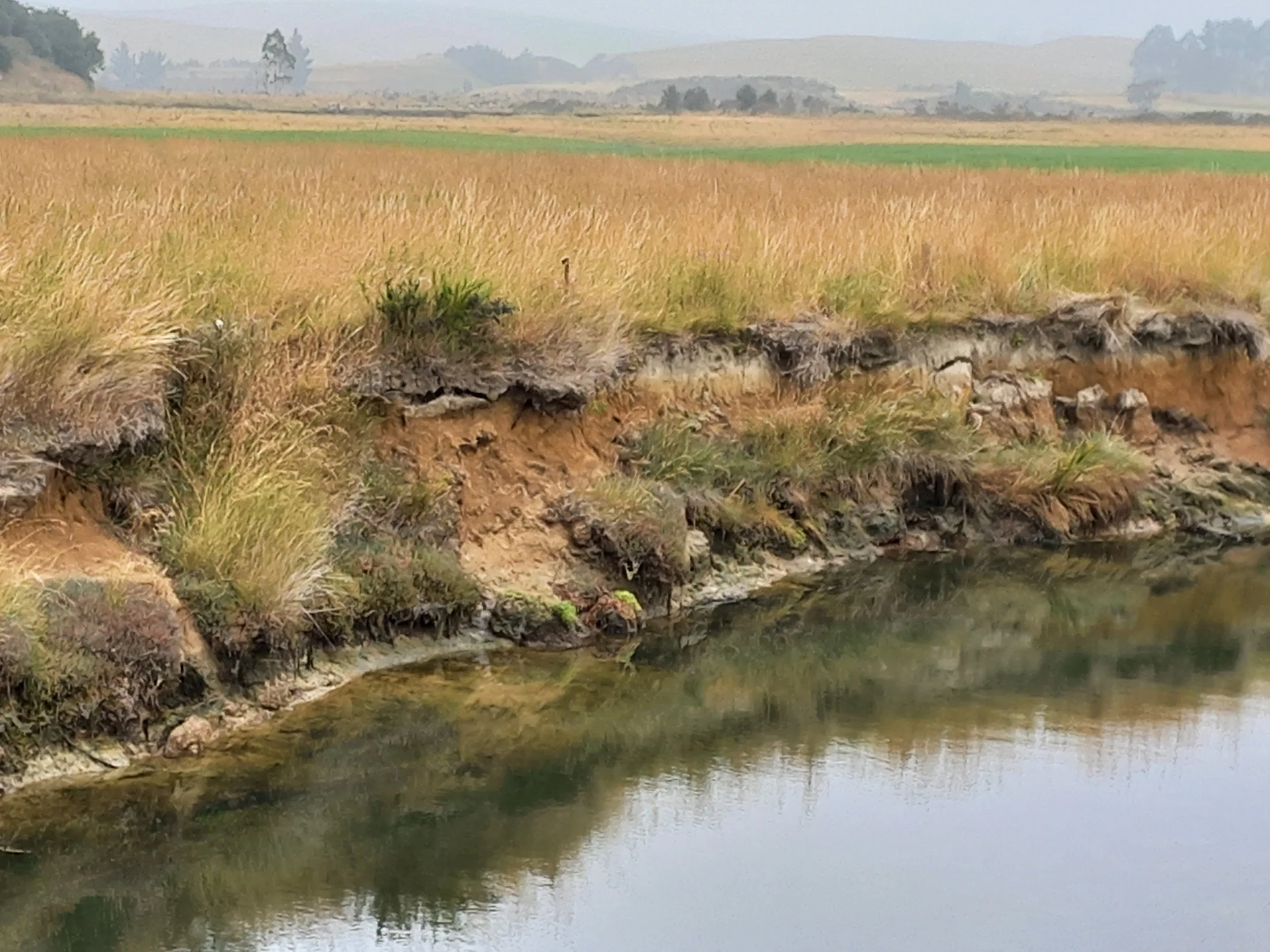
That is why communication mattered as much as monitoring. A good example was communicating learnings about sediment movement in the catchment’s rivers. The rivers rise quickly after rain, then can stop flowing altogether in dry periods. Occasional sampling would typically miss the most significant events. While high-frequency monitoring helped fill that gap, the real value came from how the results were interpreted and communicated, and shared with the people expected to act on it.
The work was not simply about collecting data. It was about building a collective understanding of the catchment and confidence in the evidence needed for action.
Our Approach
To support that goal, the team needed a way to show how river conditions changed from day to day and even from hour to hour. This kind of detail would help understand how water quality changed over time, especially during dry periods and flood events that spot sampling could miss.
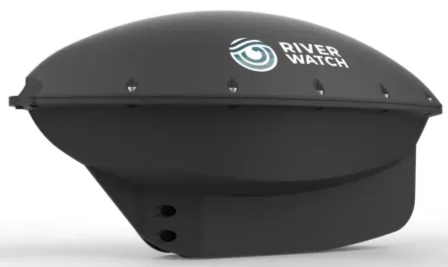
Aquawatch waka are small automatic water quality monitoring devices that made this possible. Floating in the river, they recorded turbidity, dissolved oxygen, temperature, pH and conductivity every 15 minutes. Results were sent to a web dashboard in near real time, giving the team and community a much clearer picture of changing conditions.
To enrich our understanding of the catchment, waka data was used alongside lab samples, flow data, eDNA data, and ecological monitoring. This helped broaden the story we could tell and ensured it was robust, grounded and credible.
Outcomes & Impact
The impact lay not only in the data generated, but in how that information was translated into practical action and shared understanding across the catchment. Because the findings were made visible, interpretable and relevant to different audiences, they could support both immediate restoration activity and longer-term conversations about catchment management.
Fact sheets translated monitoring and restoration work into clear, practical messages about river flow, fish passage, fencing and planting. They explained, for example, why refuge pools, fish passage, and sediment control all matter for long-term catchment health.
Our work on an integrated catchment management plan, freshwater monitoring information, and communications supported the broader project to achieve tangible environmental outcomes including:
39 km of fencing erected between 2023 and 2025
more than 92,000 native plants established in riparian areas and around the estuary
longer-term benefits expected in bank stability, habitat quality, shading and natural filtration as those plantings mature
installation of a rock ramp improved fish passage, with average whitebait catch upstream increasing from fewer than ten per tidal cycle before construction to more than 400 afterwards
five additional priority fish passage sites identified and three culverts replaced
By combining strong technical analysis with workshops, fact sheets and other engagement tools, the project helped people not only access information, but understand and use it. The project has already shaped decisions and actions that will benefit tuna, īnaka, and banded kōkopu for generations to come, and provides a model that other catchments across Aotearoa can learn from.
To find out how we can support a project that matters to your community, please contact Sally Dicey.