
There is no shortage of ambition in the sustainability space. Targets are set, emissions are counted, and strategies are launched with the right intentions. But in practice, many decarbonisation efforts still stall between aspiration and delivery. The reason is simple: transition is too often treated as a technology decision or a reporting exercise, when in reality it is an operational challenge. If an organisation wants lower-emissions outcomes that last, it has to redesign the systems that make its sites, assets and services function every day.
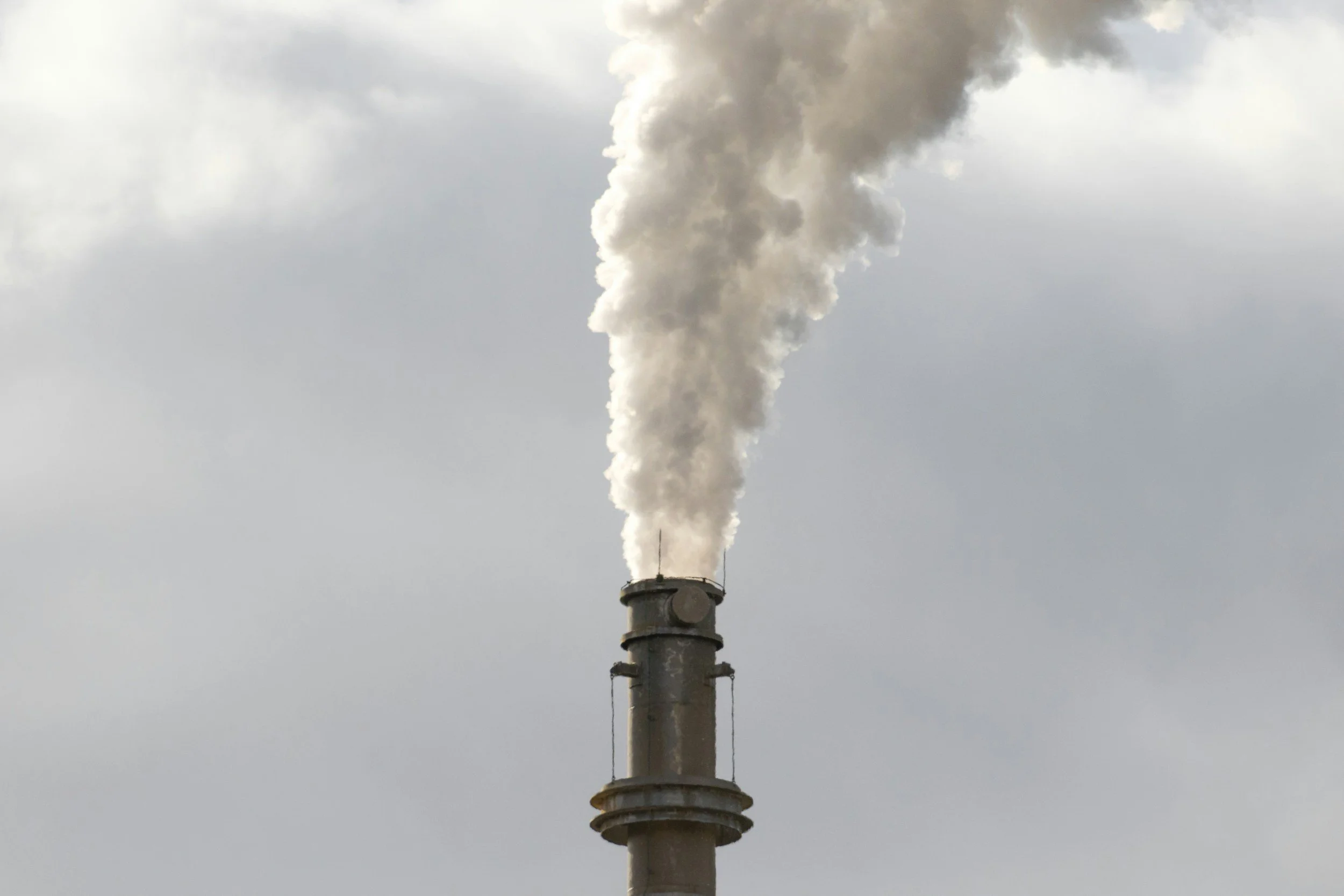
This is where decarbonisation becomes much more interesting, and much more useful. The real work lies in understanding how energy is used, where losses occur, what data is missing, and what changes can reduce emissions without undermining performance. Organisations that succeed do not simply swap one fuel source for another. They address how equipment, controls, procurement, financing, maintenance and user behaviour all interact. In other words, they treat decarbonisation as operational improvement with climate outcomes, not climate compliance with operational side-effects.
Whirika’s energy and carbon projects demonstrate this repeatedly. At Preens Apparelmaster and Linenmaster in Dunedin, the challenge was not simply to ‘go electric’. It was to decarbonise process heat in a century-old commercial laundry operation while maintaining a reliable, efficient thermal system for daily production. Whirika supported feasibility and scoping work, identifying viable low-emissions options, exploring how advanced heat recovery could work alongside electrification, and helping navigate planning and funding pathways. The resulting installation, a 2 MW electric boiler equipped with heat recovery technology, shows what transition looks like when it is designed around the reality of operations rather than around a single emissions metric.
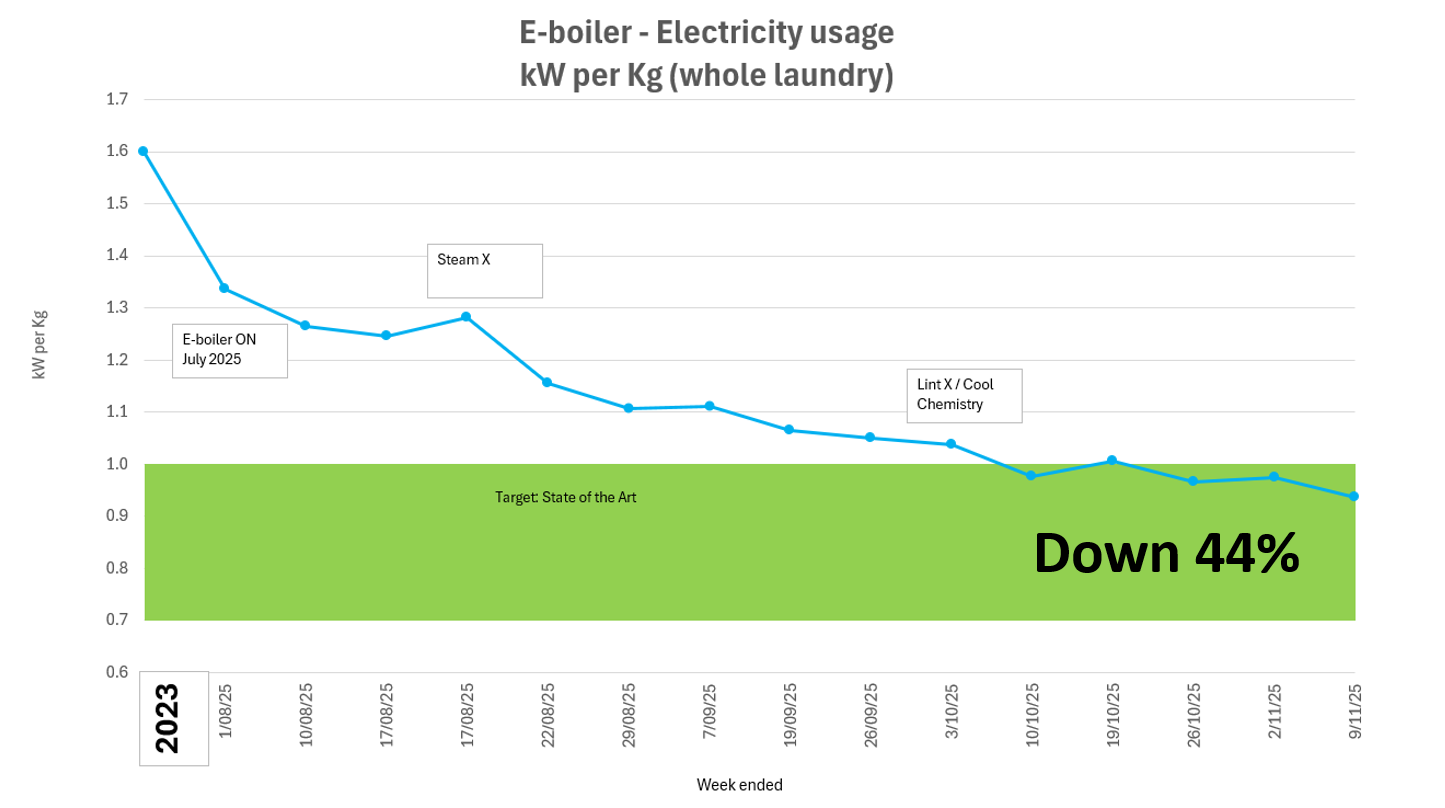
Energy consumption per kilo of laundry processed at Preens reduced by 44%.
The outcomes are exactly the kind that matter to decision-makers. The system avoids more than 800 tonnes of CO₂-equivalent each year, reduces energy use per kilogram of laundry processed by 44 per cent, and halves water use through heat recovery and reuse. Those outcomes are significant not only because they cut emissions, but because they demonstrate that a well-designed decarbonisation project can also improve efficiency and resource productivity. That changes the internal conversation. Suddenly, this is not an environmental add-on. It is a smarter way to run the business.
The lesson is broader than commercial laundry. In every energy-intensive sector, leaders are under pressure to act quickly while managing risk. The temptation is to search for a single breakthrough technology that solves the problem in one move. But that framing can be misleading. Most emissions reductions come not from a miracle solution, but from a disciplined sequence of improvements: better controls, better visibility, smarter heat recovery, different procurement decisions, staged investment, and the confidence to design around future flexibility. The most valuable projects are often those that reduce uncertainty as much as they reduce carbon.
That is why data is so important. Our work with Whakatāne District Council offers a different but equally valuable illustration. Here, we helped implement outward-facing energy dashboards that made energy performance visible across council facilities. The point was not simply to collect data, but to turn it into an active management tool. The Council’s Energy Action Group uses those insights in regular reviews to identify actions that can keep reductions moving. The resulting changes, such as optimisation of dehumidification controls at Te Kōputu a te Whanga a Toi Library and Exhibition Centre, have reduced both gas and electricity use. High-efficiency pump upgrades at the water treatment plant have also delivered major cost savings.
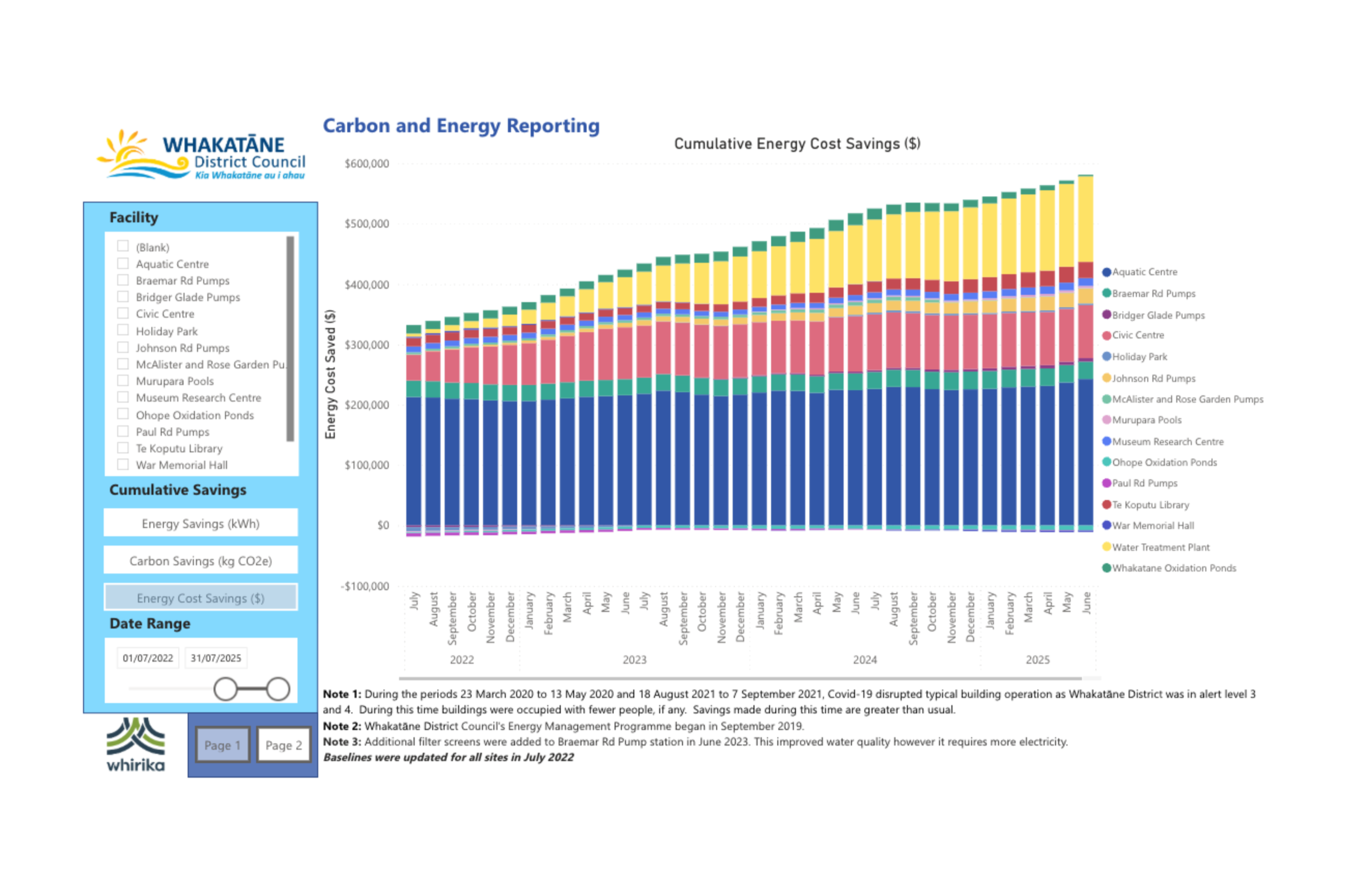
Carbon and energy reporting for Te Kōputu a te Whanga a Toi Library and Exhibition Centre
This matters because one of the most common reasons decarbonisation underperforms is that organisations treat energy data as something retrospective — useful for reporting, but too distant from day-to-day management to influence decisions quickly. Once that changes, carbon reduction becomes embedded in how sites are run. Teams can spot anomalies, prioritise practical fixes, and build momentum through visible progress. Public dashboards also introduce another leadership dimension: transparency. When organisations are willing to show their progress, they normalise action and help others see what is possible.
The Melrose House project in Nelson reinforces another important truth: transition is not limited to greenfield sites or easy assets. Heritage buildings are often assumed to be too complex, too sensitive or too constrained to decarbonise meaningfully. Yet at Melrose House, we showed that a nineteenth-century property previously reliant on around 3,400 litres of diesel a year for heating could shift to an electric heat pump solution and cut an estimated 8,700 kg of CO₂ annually. What makes the project noteworthy is not just the equipment change, but the mindset behind it. The building’s heritage character was not used as a reason to avoid action. It was treated as part of the design challenge — something to respect while still moving towards a cleaner, lower-cost future.
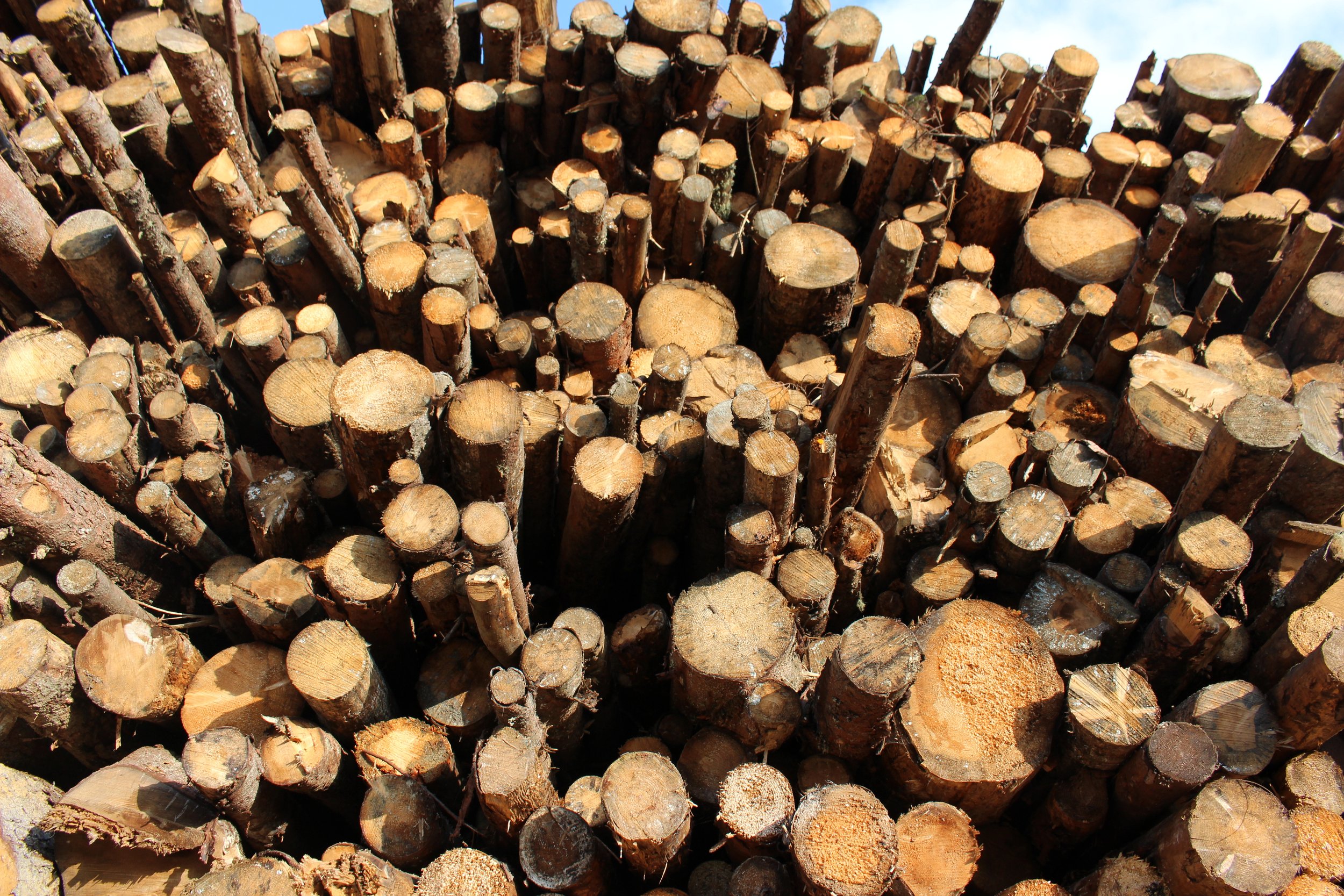
At a regional scale, Whirika’s work for EECA’s Regional Energy Transition Accelerator adds another dimension again. Decarbonising process heat is not only a site-level issue; it is also a supply and infrastructure issue. The biomass availability work stream required regional forecasting, market understanding, supply chain mapping and stakeholder validation across multiple parts of New Zealand. That kind of work is less visible than a major equipment installation, but it enables transition at scale. Without credible information on what fuel is available, where it can move, what it costs and how it fits future demand, many industrial decisions remain theoretical.
For leaders, the message is clear. Effective decarbonisation does not begin with a slogan, and it rarely succeeds as a standalone sustainability project. It begins with operational questions. Where is value being lost? What would make a lower-emissions system genuinely workable? Which interventions improve resilience as well as reduce carbon? What data gives teams confidence to act? The organisations making real progress are the ones willing to answer those questions thoroughly.
This is why the future of decarbonisation is in the integration of engineering, resource efficiency, finance, data and practical delivery into one coherent pathway. Ambition still matters — but only when it is translated into operational change. The work may be less glamorous than a headline target, but it is far more powerful. Done well, decarbonisation becomes not a sacrifice, but a better way of operating. And once that happens, momentum tends to build rather than fade.
For help identifying the sustainability gains that can be made within your operations, reach out to our Energy, Carbon and Waste Team Lead, Niki Bould.