
No Regrets Action for the Taieri/Taiari
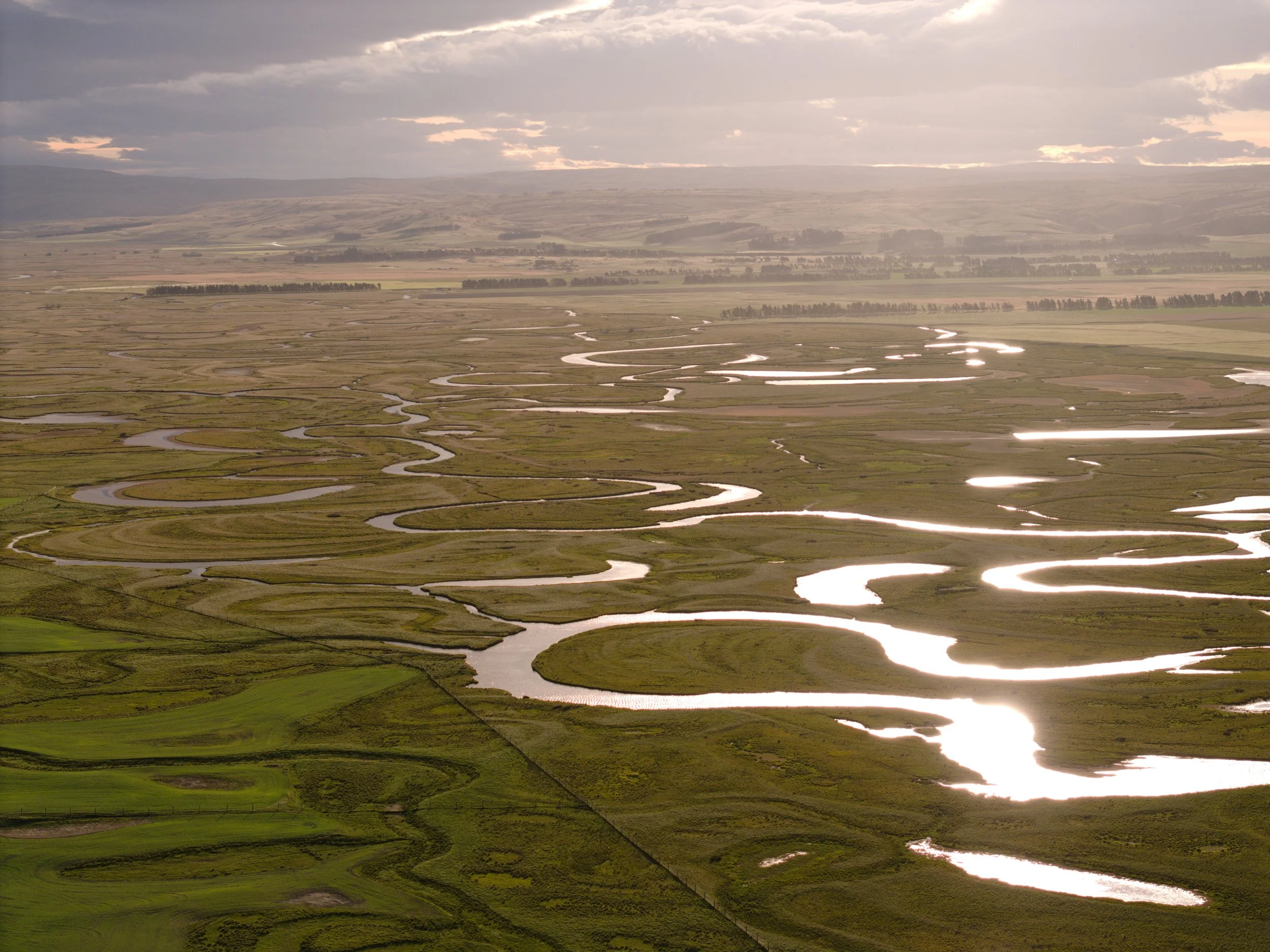
Healthy Taieri began as a response to the regulatory and policy settings farmers were facing at the time. Freshwater farm plans were expected to require farmers to understand and respond to their “catchment context”, while the agricultural sector was preparing for entry into the Emissions Trading Scheme. This created a clear need for farm-scale planning that was connected to the bigger picture across the Taieri/Taiari catchment. Healthy Taieri was an Upper Taieri Wai catchment group project, funded by MPI's Integrated Farm Planning Accelerator Fund.
The Challenge
Soon after the project began, the policy landscape shifted. A change in government meant some of the original regulatory drivers either disappeared or became uncertain. Many farmers were also experiencing engagement fatigue after years of policy consultation, and regulatory change. At the same time, sheep and beef farmers were facing difficult economic conditions.
The project also had delivery constraints. Funding did not allow for direct on-the-ground works such as planting, fencing or other physical improvements. Healthy Taieri therefore needed to find a way to remain useful, credible and action-focused, even without certainty about future regulation.
Our Approach
Whirika helped Healthy Taieri take a “no regrets” approach: focusing on work that would support good farm management regardless of how regulation developed. This shifted attention towards information, confidence and coordination, rather than waiting for policy settings to settle.
The project looked for ways to:
help on-farm decisions be informed by the broader catchment and sub-catchment context, so individual actions could contribute to wider environmental outcomes;
provide practical information and support that would remain useful in the face of regulatory uncertainty;
listen to the challenges farmers themselves wanted help with, including issues that were not solely driven by regulation; and
identify opportunities for collective responses to shared problems.
That pivot shaped several workstreams.
One of the most significant workstreams was a feasibility study for a community-led pest management entity in the mid Taieri. Pest management is an increasingly urgent issue for rural communities across New Zealand, with Federated Farmers’ second National Pests Survey, reported by Rural News Group, estimating that pests cost farmers around $466 million each year through control costs and lost production. The same survey found that two-thirds of farmers had seen pest numbers increase over the previous five years and highlighted how property-by-property control can be undermined by reinvasion from neighbouring land. Against that backdrop, Healthy Taieri’s work on a collective, landscape-scale pest management model has relevance well beyond the catchment.
Another major output was a catchment-wide assessment of freshwater monitoring and investigations. The aim was to provide farmers and rural professionals with a stronger understanding of water quality and freshwater ecosystem health in the Taieri/Taiari, so property-level decisions could be informed by the wider catchment context.
While several organisations undertake freshwater monitoring, no single organisation has a mandate or dedicated funding to collate and interpret all of that work in one place. To address this gap, the assessment:
outlined current and historic water quality and aquatic ecological monitoring carried out by Otago Regional Council and other organisations;
summarised what is known about water quality state and trends, drawing on existing reports and previously unreported investigation data collected between 2019 and 2024; and
identified water quality issues, information gaps and monitoring priorities.
The result was a broader picture of water quality and river health than standard state of the environment reporting can provide on its own. It gave farmers, rural advisors and catchment groups a stronger evidence base for planning and showed how catchment-scale interpretation can better support farm-scale decision-making.
This work was supported by Traverse Environmental, with Juliet Milne contributing specialist water quality expertise that helped turn diverse monitoring information into a clearer, more useful picture for farmers, advisors and the wider catchment community.
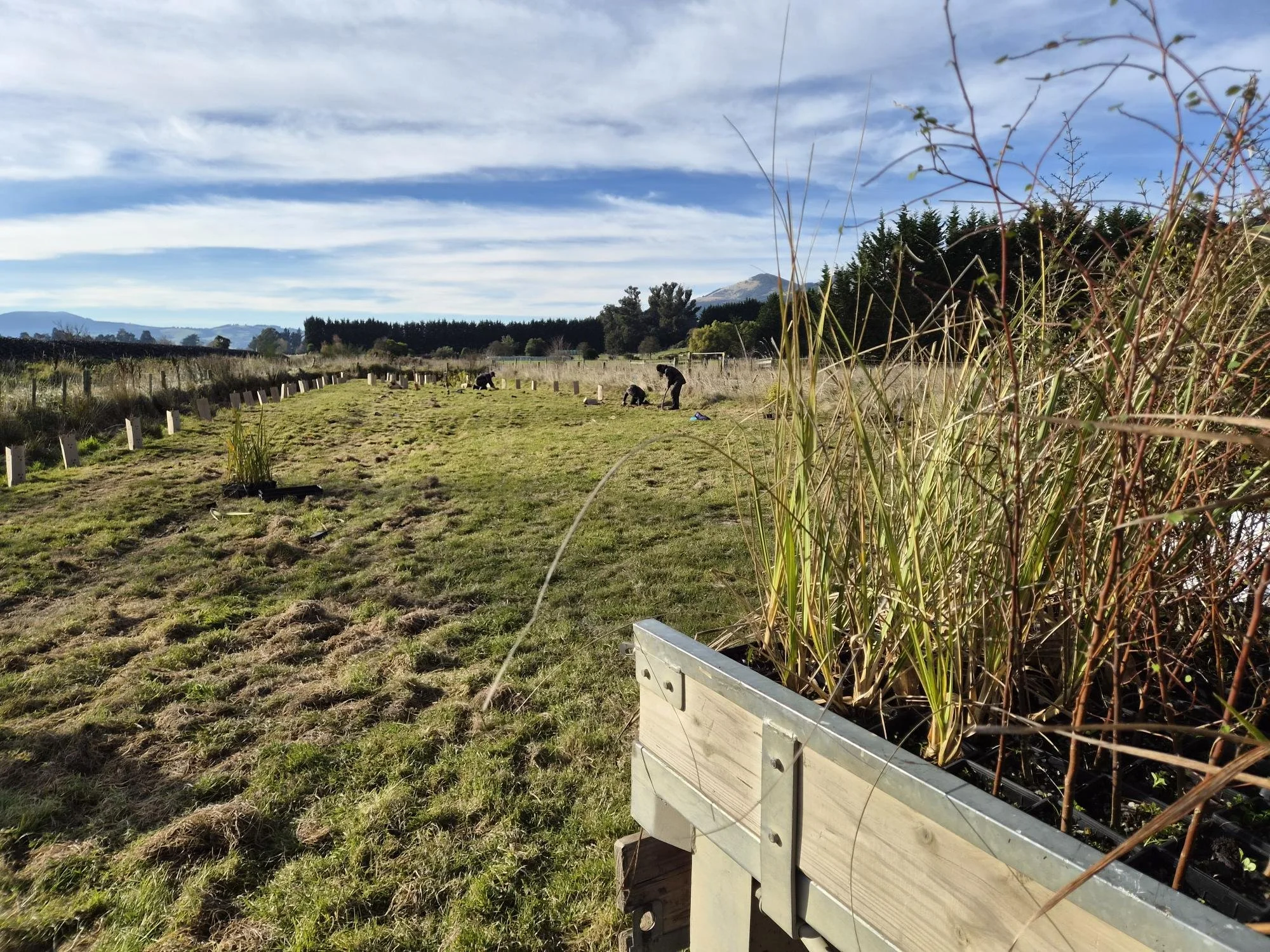
Healthy Taieri responded directly to the practical challenges farmers were raising in the lower Taieri. In this part of the catchment, wet areas in paddocks, waterways and drains sit within a complex flood management landscape where flood protection by-laws can limit conventional riparian enhancement. Rather than focus on those barriers, the project worked with NZ Landcare Trust and Fonterra to identify realistic mosaic enhancement opportunities: practical actions in difficult-to-manage parts of paddocks that could collectively improve river health and biodiversity if applied across the landscape.
The project also supported the Tiaki Maniototo work through follow-up visits by an ecologist to farms, giving farmers tailored guidance on next steps for biodiversity enhancement. This helped translate previous planning and advice into tangible outcomes, including progress towards QEII covenants, securing funding for additional plantings and other on-farm biodiversity actions.
Healthy Taieri also invested in lasting resources designed to build wider awareness of the catchment’s river health and special biodiversity. The Taieri/Taiari can be described as a biodiversity powerhouse, and the project helped bring that story to life through a biodiversity book and poster series that have been very well received. These resources communicated the special values of the catchment in an accessible and engaging way, supporting community pride and understanding alongside the more technical farm-planning and catchment-management work.
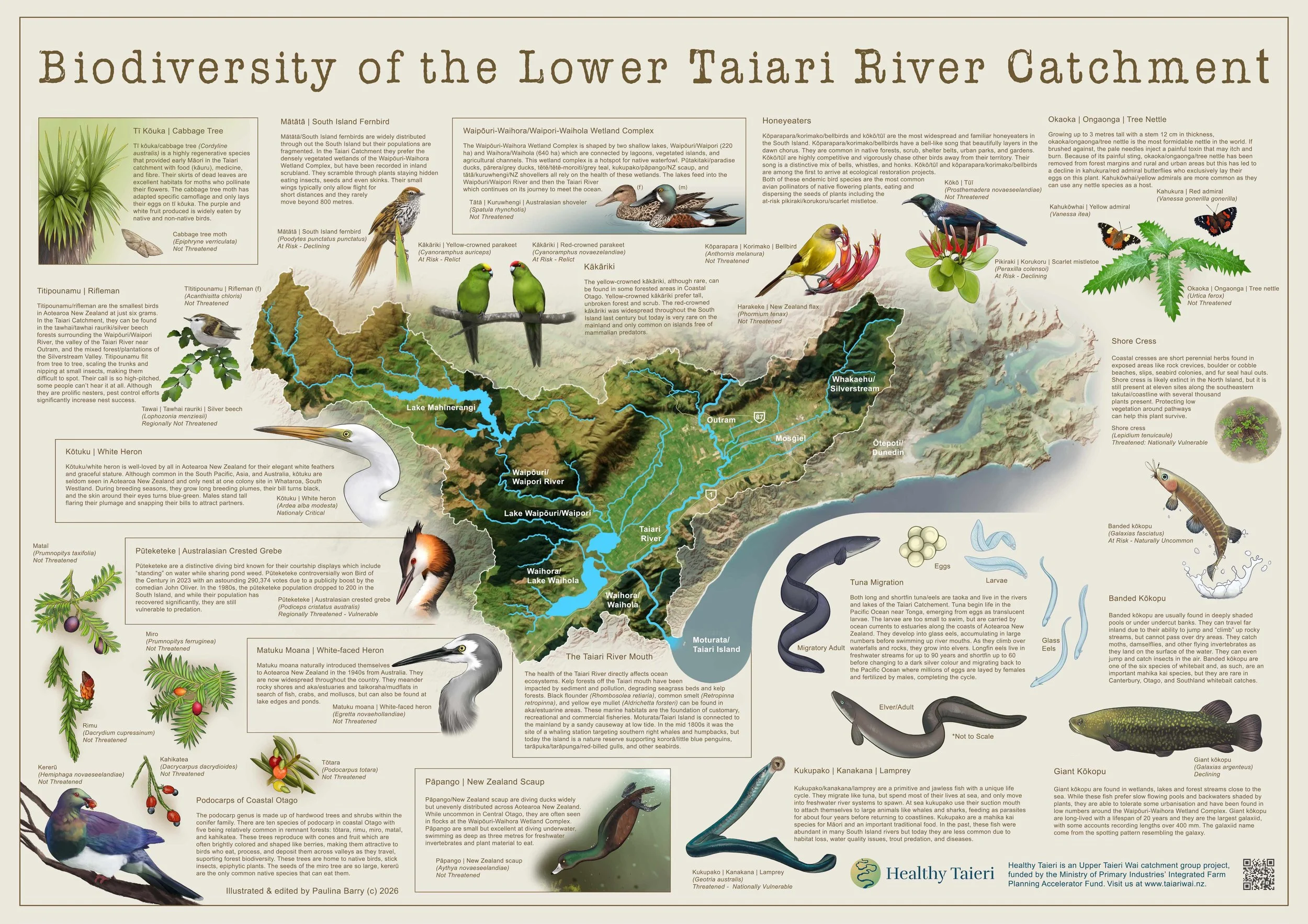
Lower Taiari biodiversity poster created by Pauline Barry, one of the resources available at https://taiariwai.nz/biodiversity/
The biodiversity book, developed with Bill Morris, and the poster series, developed with Paulina Barry, were standout resources, helping make the richness and importance of biodiversity across the catchment visible, engaging and easy to share.
The Impact
Healthy Taieri shows how catchment work can keep moving through uncertain policy conditions when it is grounded in clear value for farmers. By taking a “no regrets” approach, the project shifted the focus from compliance alone to useful information, shared priorities and actions that make sense for farm businesses, communities and the environment.
The work produced:
a more comprehensive evidence base for freshwater and river health across the Taieri/Taiari;
practical tools and guidance to help farmers understand how their properties sit within the wider catchment context;
realistic enhancement pathways for challenging lower Taieri landscapes;
support for farm-level biodiversity action in the Maniototo; and
well-received biodiversity resources that helped raise awareness of the catchment’s special ecological values;
stronger public-facing material to support community understanding, pride and engagement in biodiversity protection; and
a model for exploring collective pest management in response to a shared, landscape-scale issue.

Together, these outputs helped farmers and rural professionals make better-informed decisions, while also giving the wider community new ways to understand and value the biodiversity of the Taieri/Taiari. The project demonstrates that even when regulation changes, catchment groups can still make meaningful progress by listening to farmers, building shared evidence, recognising local expertise and creating practical resources that support long-term action.
If you’d like help identifying and implementing “no regrets” actions for your business or community, get in touch with Sally Dicey.